
Tag: flower
Spring Splendor
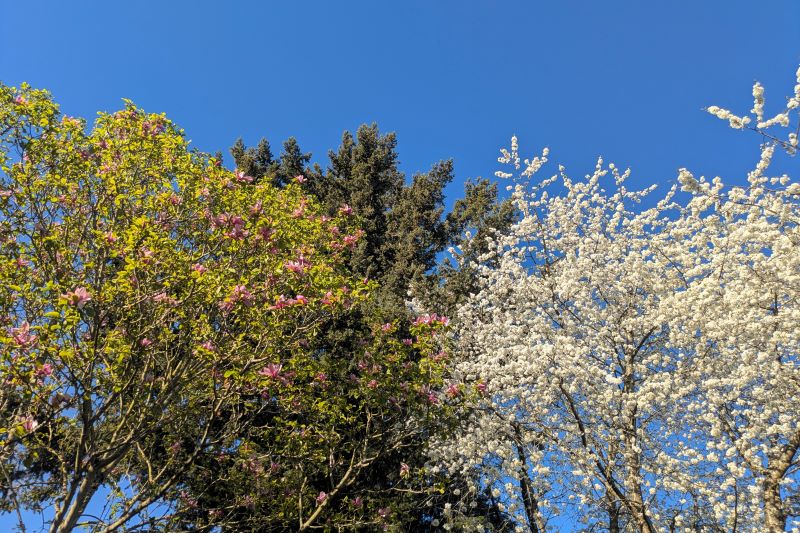
How can you not be romantic about fresh leaves and flowers?
We’ve got a hot-button question for you: Does the spring leaf-out compete with fall color when it comes to visual splendor? Eugene Director Erik Burke thinks so.
“When trees are one-third leafed out and have that fresh yellow-green, they’re so full of life and vibrancy,” Erik says. “And trees leaf out at different times, so you have trees and all these different stages. For me, it’s equivalent to fall color.”
The days are getting longer and warmer, the trees and plants are waking up—these are the signs of spring that make it such an exciting time.
“This time of year people seem to really remember their trees and we get a lot of calls,” says Eugene-Springfield Program Manager Taylor Glass. “We get people wanting to plant trees but also worried that their tree might be dead. We tell them to wait a little bit longer because some trees are late bloomers (or late leafers!).”
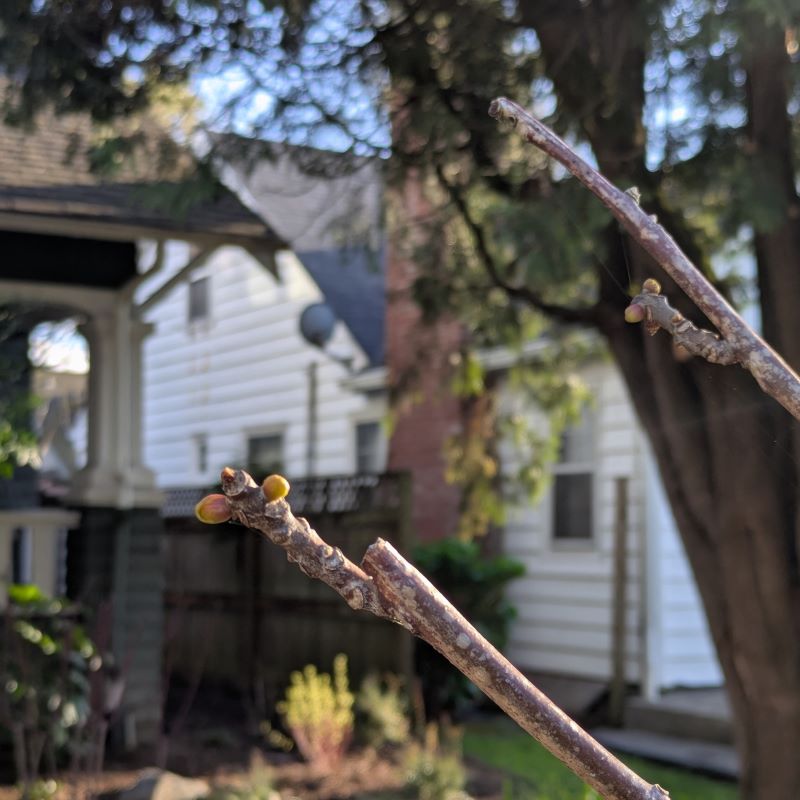
Some trees like Oregon white oaks, Kentucky coffeetrees, and crepe myrtles don’t leaf out until later in the spring, which can be a bit worrying when their neighbors are fully leafed out already. Each species responds to its own set of parameters as to when to leave dormancy based on daylight, temperature and angle of the Sun.
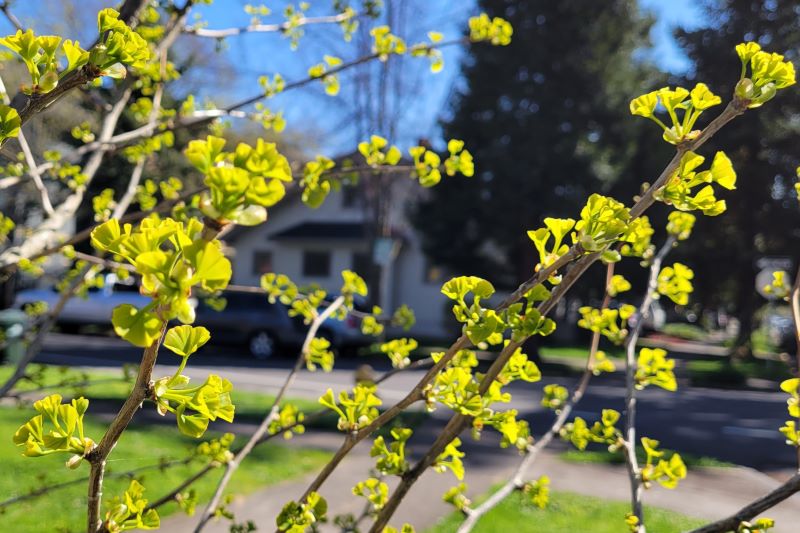
“I really love the leaves that ginkgos put out,” Taylor says. “They’re tiny versions of the full grown leaf. They’re so cute!”
Trees take the energy that’s been stored in their trunk and roots and send it out to make leaves and grow buds. Some trees like magnolias and some maples will even put out their flowers before their leaves.
“We have a long spring ecologically,” Erik says. “It begins with the first osoberry bloom in early to mid-February.”
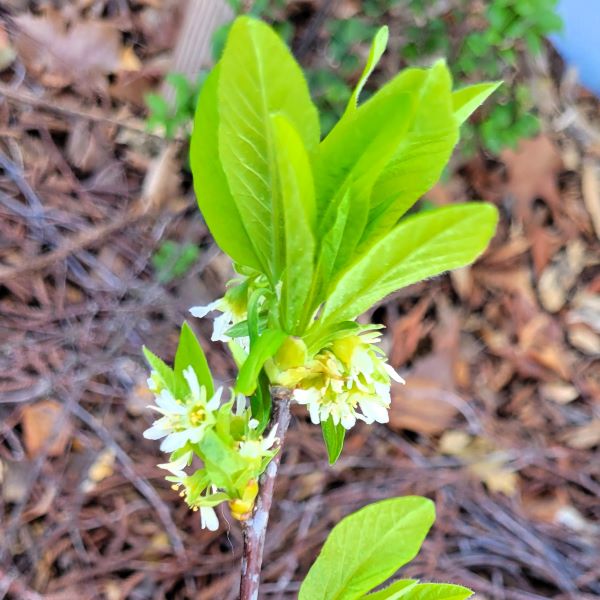
Just like with our own sleep cycles, there are benefits to rising early or sleeping in. Some native trees like California buckeye, Western redbud and Oregon Ash leaf out early, taking advantage of water in the soil for their growth pulse. These trees often will enter dormancy early, too, in the middle of summer drought, and will throw off their leaves as early as August.
Having trees flower in different stages is great for pollinators so that they have steady food sources throughout spring and summer. The Chinese scholar tree will be in full bloom in August or September when pollinators don’t have much else.
Friends of Trees stops planting trees during the summer months so that we can plant trees while they’re dormant, giving time for their roots to establish before they need to put their energy toward growing leaves. But spring and summer is the best time to think about what tree you want to plant, both for the conditions at the planting site and for the spring splendor you want to enjoy.
Our favorite late bloomers!

The Eugene team shares some of their favorite August-blooming trees and plants
By late August, most of our trees have gone to seed. But we have a few favorite late summer bloomers for you to sniff around for!
“It’s important to have flowers available to native pollinators,” says Eugene Director Erik Burke. “There’s not a lot of forage for pollinators this time of year. Having trees flower at different times gives them their best chance of getting the nectar they need.”
An especially charismatic tree this time of year is the Harlequin glorybower. It’s a cool name for a cool tree. Its pink and blue flowers look like something out of a Tim Burton movie, and they have a delicious smell. Speaking of delicious, the leaves smell like peanut butter!
While the Harlequin glorybower is appealing in many ways, this ornamental tree is not particularly climate resilient.
“We love some trees for their toughness,” Erik says. “We appreciate others just because they’re really cool. And that’s okay.”
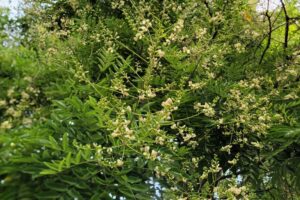
A tree that’s flowering right now and is a great drought tolerant option: the Japanese pagoda tree. This medium-sized tree has beautiful white flowers, and because it does well in poorly drained soils, it’s a good choice for Eugene.
The Chaste tree, named for its historic use as an anaphrodisiac, is blooming this time of year, too. It has really charismatic flowers that pollinators really love! Pollinator advocates are always encouraging people to plant more of this one.
Trees aren’t the only ones with some flowers popping this time of year. There are some amazing native plants like goldenrod and milkweed that are feeding the pollinators. Asters, too, are starting to bloom, and they’ll stay in bloom for several months!
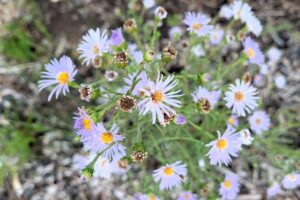
“Some consider Douglas’ aster the absolute best pollinator plant in this area,” Erik says.
Even if we’re not planting right now, there’s never a bad time to consider what you might want to plant in the future. So take note of what trees are flowering in August, so that you might do your part to help our native pollinators!
Name this tree of the week:

This deciduous needs no sun block and is considered hardy and tolerant, which is the same way I describe my appetite.
This tree can grow to be 20 feet tall and is known for its exfoliating bark and fragrant flowers.
The somewhat rare tree also grows to irregular shapes, so pruning while young is important.
Too easy? Submit an answer in the comment forum or email some hints for the next tree quiz.
–TS