Summer Snack Time
The Eugene Team Talks Fruit and Nut Trees
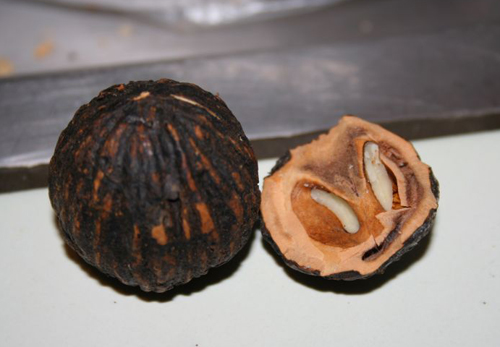
It’s summer, which means trees are in their pure growing season. They’re soaking up the sun’s energy and using it to grow, and many are developing fruits and nuts. Trees are amazing for so many reasons, and one of them is that they grow food for us to eat, which is pretty magical when you think about it.
“It’s super important for people to be able to grow food for themselves,” says Eugene Director Erik Burke. “Sometimes people can see fruit trees as messy, but I think we can shift that thinking.”
Erik was recently visiting a street with a row of Lavalle hawthorns, which produce bright red berries. A man approached him and told him how much he loves to harvest the berries from those trees.
“He was giddy about the berries,” Erik says. “It was so awesome.”
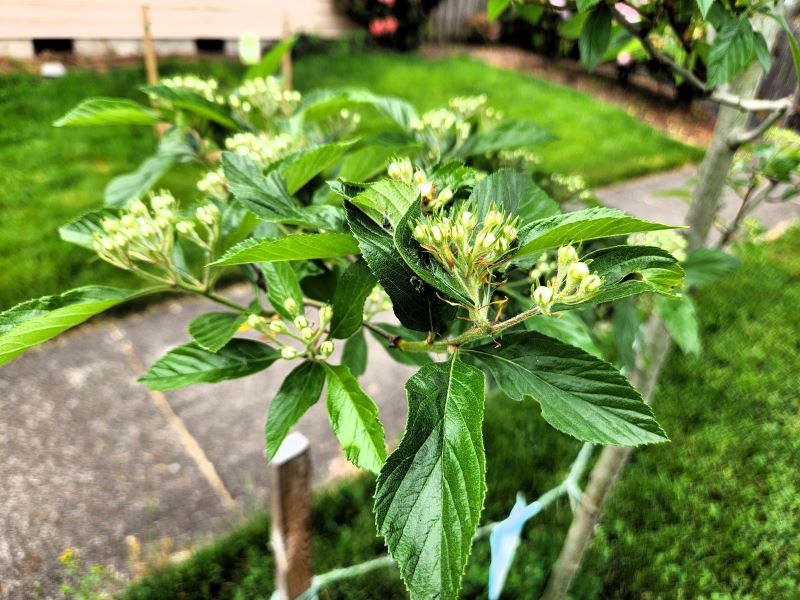
Erik points out that in addition to the fruit trees you’d expect like cherry and apple trees, trees like oaks and hawthorns provide food to both people and wildlife. Fruits and nuts are one of the ways that trees can reproduce, and they rely on the cooperation of the ecosystem to make it happen. The tree provides a tasty snack and the animal spreads the genetic material within. Humans have been looking to trees for sustenance for millennia.
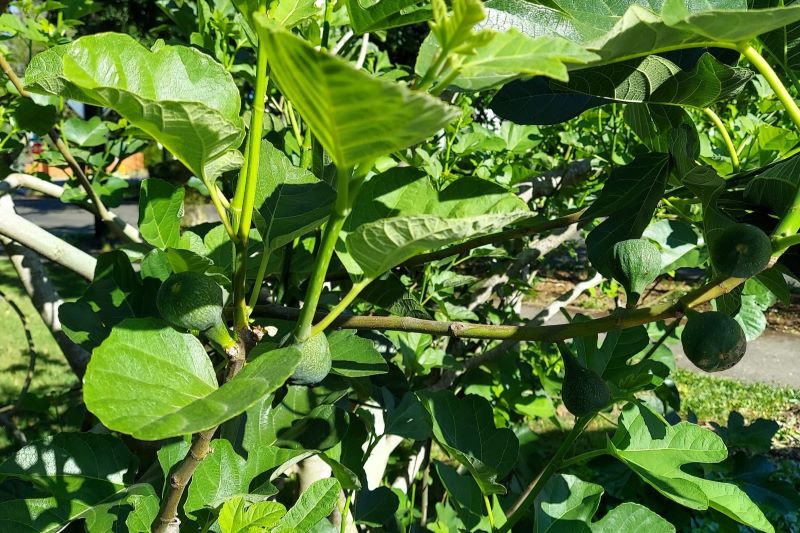
The Eugene-Springfield team hopes in the future to offer more fruit and nut trees for people to plant at their homes. Figs in particular are a climate resilient tree that don’t need watering after they’re established. Persimmons are a great option because they don’t drop their fruit during yellow jacket season. Chestnut and walnut trees are planted as bareroots, making them an affordable and sustainable option to get from local nurseries.
We recommend checking out our friends at Portland Fruit Tree Project for more resources on how to properly care for a fruit or nut tree and make the most of your new orchardist hobby. Growing food—on fruit trees in particular—comes with extra challenges, but it also comes with awesome rewards.